


In technical analysis, support and resistance levels are key areas where an asset’s price typically reacts; a support level is where buying pressure prevents the price from falling further, and a resistance level is where selling pressure prevents the price from rising, so these levels help traders better identify appropriate

Many traders enter prop trading with profitable strategies, but without knowing why, their accounts fail. In many cases, the reason for this is only one thing: floating risk . Floating risk in props is one of the most common reasons prop accounts fail, even with profitable strategies. Many traders assume

If you are new to trading or want to get some practice before you jump into a real account, learning how to create a MetaTrader demo account is undoubtedly the best place to start. A demo account allows you to get to know the MetaTrader environment without any risk, experience

Risk aversion in trading means the tendency to avoid losses and uncertainty, even if this means missing out on larger profits. In financial markets, success does not depend solely on technical and fundamental analysis, and an important part of the outcome of trading depends on the trader’s mental behavior. Understanding

If you have entered the world of Forex, you have probably come across two popular types of trading accounts: ECN and Standard. Many traders, especially beginners, do not know exactly what the difference is between an ECN and Standard account and which one can produce better results in their trading.

If you’re looking for fast execution, price transparency, and ultra-low spreads, you’ve probably heard of an ECN account . But what exactly is an ECN account and why do so many professional traders choose it? In this type of account, orders are connected directly to a network of liquidity providers,
Understanding CFD trading can be difficult for beginners and even intermediate traders, especially when leverage, margin, and forex come into play. Many people assume that by purchasing a CFD they are owning an asset, when in reality the nature of this instrument is completely different. If you are wondering how

Imagine you are looking at a price chart; the market is constantly moving up and down, and finding important areas to enter or exit a trade is not an easy task. In such situations, technical analysis tools can act as a roadmap. One such useful tool is the Fibonacci channel;
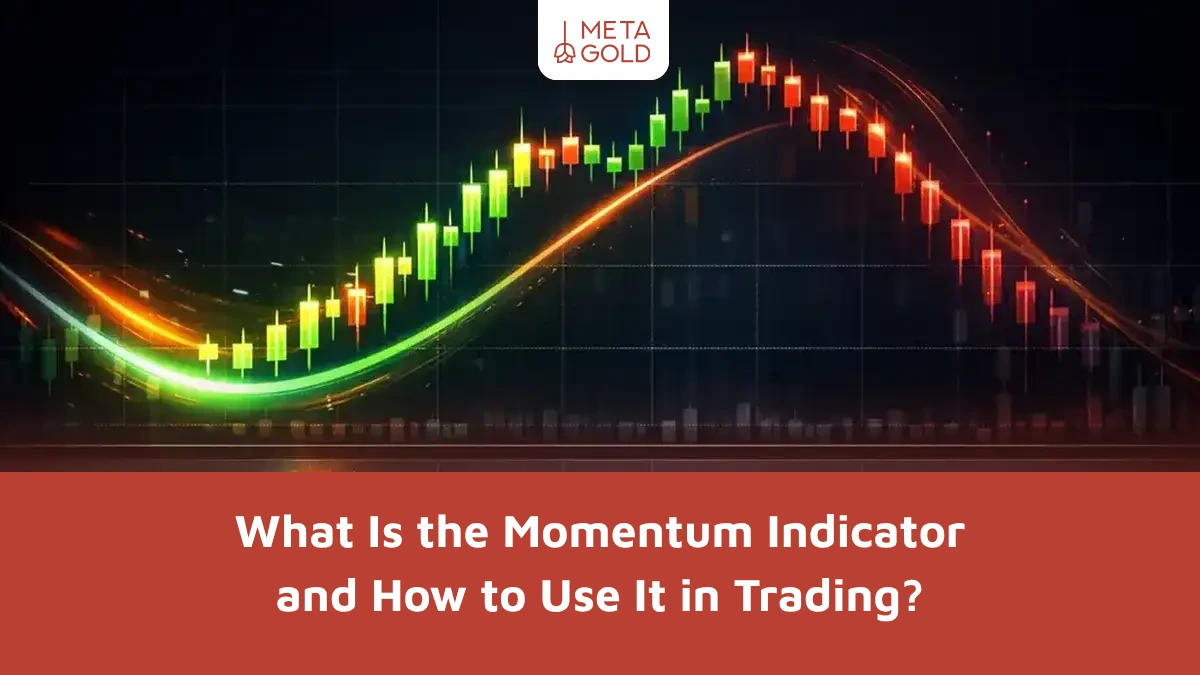
Imagine you have opened a chart and the price is moving rapidly, but one key question comes to mind: will this strong move continue or is it just a short-term fluctuation? In such a situation, tools that can show the momentum and strength of the price movement play a very

In financial markets, sometimes a candle appears on the chart that is different from the others; it has a larger body and indicates that buyers or sellers have entered the market with strength. In technical analysis, traders often refer to this type of candle as a momentum candle; a candle

When analyzing market price movements, you may notice that a trend suddenly gains strength or, conversely, stalls and reverses. In such circumstances, the factor behind these changes is “momentum”; a force that can accelerate or dampen price movements. In this article, we will explain what momentum is and how it
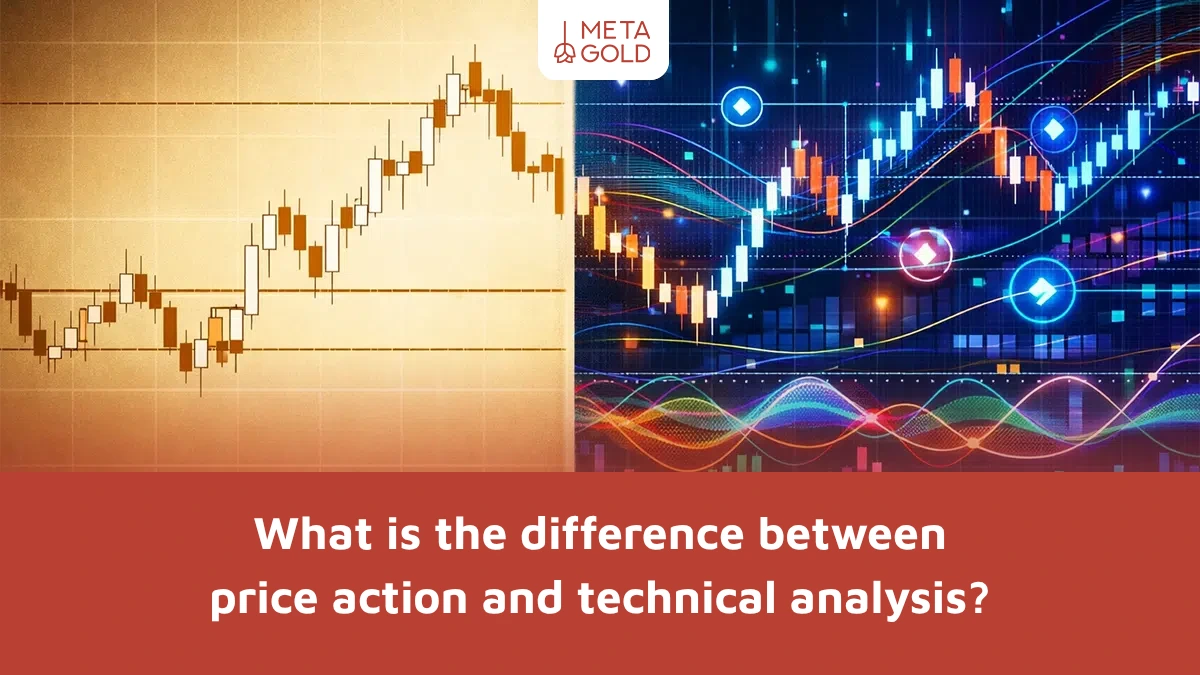
If you are new to trading, you have probably started looking for ways to analyze the market. As you learn, you will likely come across two common terms: price action and technical analysis. But soon you will wonder: what is the difference between these two approaches? In reality, many traders

