
If you are new to trading, you have probably started looking for ways to analyze the market. As you learn, you will likely come across two common terms: price action and technical analysis. But soon you will wonder: what is the difference between these two approaches?
In reality, many traders are not sure where the boundary between the two lies, which can make it harder to choose the right market analysis approach. Technical analysis is a broad framework for studying price behavior in financial markets, while price action is one of the key approaches within that framework.
In this article, we explain the difference between price action and technical analysis in simple terms, clarify how the two are related, and compare their uses, advantages, and disadvantages.
What is the Difference Between Price Action and Technical Analysis?
In simple terms, the difference between the two is as follows:
- Technical analysis is a broad framework for analyzing price charts.
- Price action is an approach within that framework that focuses on raw price movement.
Therefore, price action can be considered a subset of technical analysis, but it relies on fewer indicators and focuses more directly on price behaviour.
What is technical analysis?
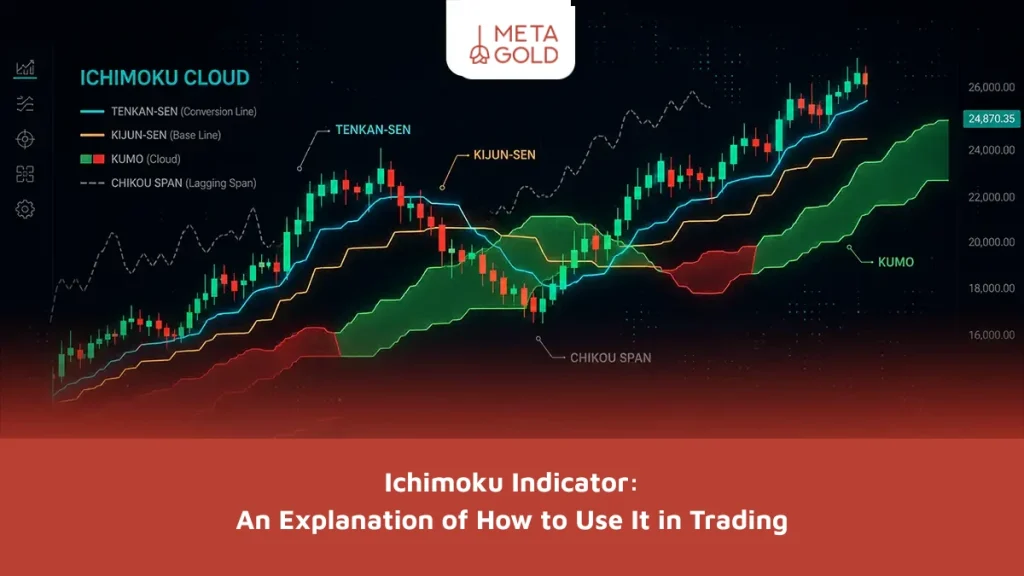
Technical analysis is a method of forecasting the future price movements of an asset, such as a stock, cryptocurrency, or currency pair, based on past market data. In this approach, traders use price charts, indicators, and chart patterns to identify market trends and potential entry and exit points.
What is price action?
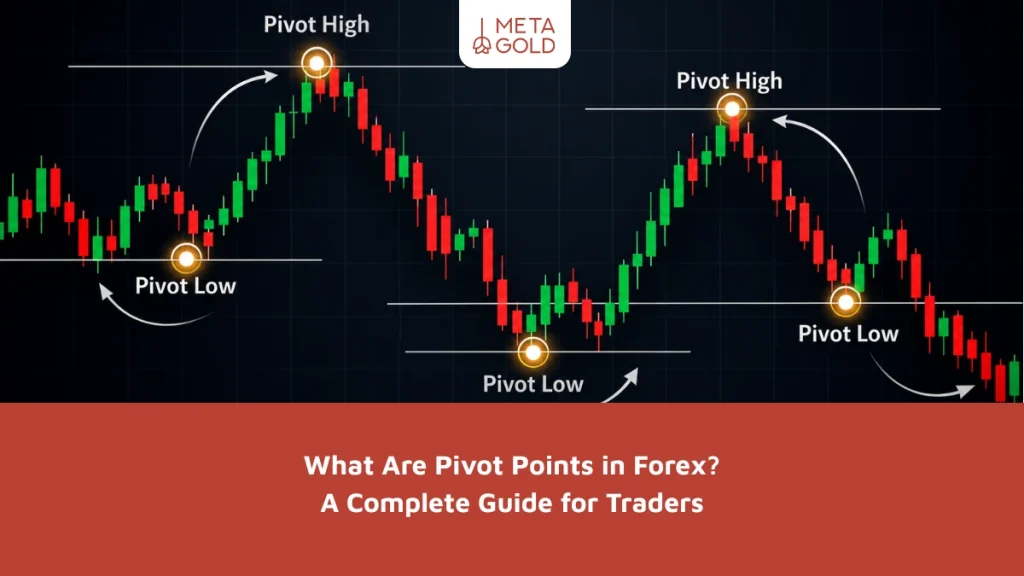
Price action is a method of market analysis in which traders make decisions by focusing on price movement on the chart, without relying on complex indicators.
You can also see the article ” What is Price Action ” to learn more about this approach.
Comparison of Price Action and Technical Analysis
Price action and technical analysis differ in how they interpret price movements and in the tools they use. The table below summarizes the main differences between the two methods.
| Criterion | Price Action | Technical Analysis |
|---|---|---|
| Decision basis | Direct price behavior | Price, volume, patterns, and indicators |
| Main tools | Candlesticks, market structure, key levels | Indicators, oscillators, classic patterns, trend lines |
| Degree of reliance on indicators | Low or none | Usually higher |
| Analysis style | Simpler on a raw chart, but interpretive | More structured and tool-driven |
| Suitable for | Traders interested in reading market behavior | People who want more objective signals |
| Main challenge | Subjectivity of the analysis | Chart clutter and lag in some tools |
Advantages and Disadvantages of Price Action and Technical Analysis
Understanding the advantages and limitations of each approach helps traders choose the one that best fits their trading style and experience level.
Advantages and disadvantages of price action
Advantages:
- Quieter chart
- Focus directly on price
- Application in different markets
Disadvantages:
- Requires high experience
- Possibility of personal interpretation
- More difficult for beginners
Advantages and disadvantages of technical analysis
Advantages:
- Various tools to confirm analysis
- More suitable for building a trading system
- Step-by-step learning for beginners
Disadvantages:
- The possibility of over-reliance on indicators
- Delay in some signals
- Crowding of the chart
Price Action or Technical Analysis: Which Method is Best for You?
Choosing between price action and technical analysis is not about deciding which one is “better.” It depends on the trader’s personality, experience level, target market, and trading style. If you prefer cleaner charts and like analyzing price movements without relying heavily on indicators, price action may be a better fit for you.
On the other hand, if you are interested in specific frameworks, confirmation tools, and more objective signals, technical analysis is a more logical choice. Many professional traders also combine the two approaches to benefit from the strengths of each and make more informed decisions.
Summary of the Difference Between Price Action and Technical Analysis
In conclusion, both price action and technical analysis are used to analyze the market, but they approach it from different perspectives. Technical analysis is a broader framework that uses various tools, indicators, and patterns to examine price charts. In contrast, price action focuses more on direct analysis of price behavior and market structure and is usually done with fewer tools.
Frequently Asked Questions about Price Action and Technical Analysis
1. Is price action part of technical analysis?
Yes, many traders consider price action to be a style of technical analysis that focuses more on direct price behavior.
2. Is price action or technical analysis better for beginners?
Technical analysis is usually easier for beginners because it offers more structured tools and frameworks, but price action can lead to a deeper understanding of the market over time.
3. Can price action and technical analysis be used together?
Yes, many traders use price action to analyze price behavior and technical analysis tools to confirm entries and exits.
4. What is the most important difference between price action and technical analysis?
The main difference lies in how the chart is analyzed: price action focuses on price itself, while technical analysis relies more on tools and indicators.