
Imagine you are on a road trip. You are not in a hurry to get to your destination, nor do you intend to stop for long. You want to see the sights along the way, stop in towns in between, and take it easy. Swing trading has exactly the same philosophy in the world of financial markets.
This trading style is a balance point between the high speed of day trading and the grueling patience of position trading. In this article from the MetaGold Expert Collection, we will take a simple but precise look at what swing trading is, how it works, and why it is attractive to many traders.
You’re going to learn about its real strengths, tangible risks, and practical tools so you can determine if this style is a good fit for your personality and goals. This isn’t about promising dream profits; it’s just a clear analysis of a trading tool.

What is swing trading?
Swing trading is one of the most practical types of trading styles in the forex and stock markets. Swing traders are like surfers who ride the full wave of a market trend.
Their goal is to hunt for average price movements, not small intraday fluctuations (such as day trading) nor macro trends lasting several months (such as position trading).
A swing trader typically holds their trades for a few days to a few weeks (often between 2 and 10 days). They pay less attention to short-term market noise and focus more on identifying and following price fluctuations or swings within a channel or trend.
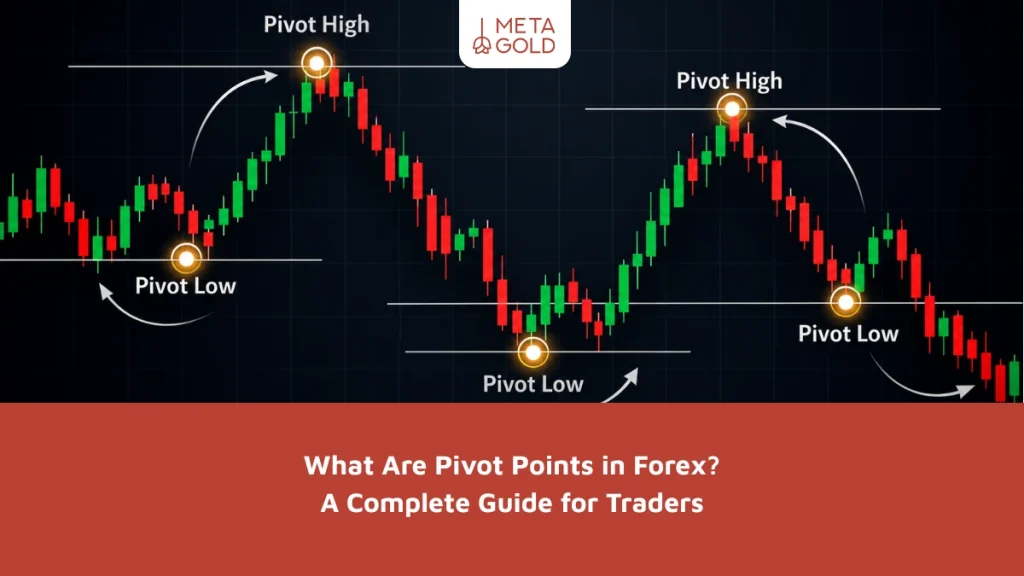
Suppose a stock chart breaks an uptrend line and the price is forming a higher low after a brief correction. The swing trader waits for this low to be confirmed, then enters a long position, targeting the next high that may form in the next few days.
If you are not yet familiar with the basic concepts of the market, before entering this style, it is better to first read What is Trading to have a more detailed understanding of the logic of trading and risk management.

How is the swing trading style different from other trading methods?
To better understand swing trading, we need to place it within the spectrum of trading styles. This comparison is not intended to champion one style, but rather to clarify the different paths.
1. Swing Trading vs. Day Trading
Day trading is an activity where all trades are closed on the same day. But swing trading holds trades for days.
- Time commitment : A day trader is like a sprinter who puts all their energy and focus into short periods of time (a few minutes to a few hours). In contrast, a swing trader is like a semi-endurance runner who covers longer distances at a more moderate pace.
- Analysis used : Day traders often focus on short-term charts (such as 1 or 5 minutes) and small swings (scalping). Swing traders focus on 4-hour, daily, and sometimes weekly charts to identify medium-term trends.
- Stress Level : Day trading requires real-time monitoring, quick decision-making, and a high level of mental stress. Swing trading gives you the opportunity to analyze more calmly, leave the trade open, and get on with your normal life. This is one of its biggest strengths for many people.
2. Swing Trading vs. Position Trading
Swing trading vs. position trading is also an important distinction. On the other hand, position trading is where trades are held open for months or even years.
- Type of Analysis : A position trader is more of a trend investor who relies on strong fundamental analysis and a macro-economic outlook. Technical analysis is of secondary importance to him. But for a swing trader, technical analysis is the primary decision-making tool, and fundamental analysis is used more as a risk filter.
- Number of trades : A position trader has a very small number of trades per year. A swing trader hunts for more trading opportunities and is more active.
- Volatility tolerance : The position trader must tolerate deeper price swings and corrections, as the ultimate goal is much larger. The swing trader seeks smaller, but more frequent, profits and usually sets smaller stop losses.
Suppose a major bullish trend in gold has begun. A position trader might buy at the beginning of the trend and not sell until months later. A swing trader would try to buy at temporary lows (on price corrections) and sell at temporary highs multiple times during this major trend. A day trader might also enter and exit a trade dozens of times during the fluctuations of different hours of the same day.

In what markets is swing trading used?
One of the attractions of swing trading is its flexibility. This style can be applied in any market that has high liquidity and sufficient volatility. However, its effectiveness in different markets varies. To understand what swing trading is in practice, it is better to take a look at its application in different markets:
Stock market
The stock market, especially large-cap stocks, is a good place for swing trading. Why? Because these stocks tend to form relatively clear, less noisy, medium-term trends. Corporate news releases, quarterly earnings reports, and industry movements create more predictable price swings.
Consider a tech stock that breaks through a key resistance level after reporting better-than-expected earnings. A swing trader waits for the first pullback to complete, then enters a long position, aiming to reach the next resistance level on the weekly chart. This process can take 10 to 15 days.
Forex market
The foreign exchange market is a great option due to its unparalleled liquidity and relatively stable trend movements. How does it work? Swing trading in Forex is usually focused on Forex currency pairs such as (EUR/USD, GBP/USD, or USD/JPY).
Futures
Such as oil, gold or the S&P500 index. These markets increase risk and profit potential at the same time due to the high leverage. Swing trading here requires much more careful money management and the use of tight stop losses.
Exchange Traded Funds (ETFs)
These tools allow the swing trader to bet on the trend of an entire industry (e.g. solar energy, semiconductors) or a specific asset (e.g. gold) without analyzing individual stocks. This expands the range of trading opportunities.
While swing trading can be applied to all of these markets, choosing the right market depends on your knowledge of that market, your risk tolerance, and the time you can spend analyzing it. Starting with the stock market may be a lower-risk option for many.
What is the purpose of swing trading?
The goal of swing trading is not just to make a profit. This definition is true for any trading style. The specific goal of this method is to optimize the risk-to-time ratio and the psychology of the trader. In fact, the answer to the question of what is swing trading lies in its goals.
Goal 1: Profit from medium-term trends
The main goal is to identify and capture significant price movements within a reasonable time frame. Unlike day trading, where profits are small and require constant presence, swing traders seek larger profits in exchange for less time spent monitoring.
A simple example:
A day trader with $10,000 might make 5 trades a day with a profit target of 0.5% ($50). A swing trader might make only 1 trade that week, but with a profit target of 3% ($300). The goal is to reduce the number of trades and increase the quality and size of each trade.
Second goal: Reduce stress and psychological pressure caused by short-term trading
This is a very important psychological goal. Many busy people or those who don’t want to stare at the charts all day are attracted to this style. Swing trading allows you to leave a trade open, close the chart, and get on with other things. This “time freedom” is as valuable to many as the profit itself.
Goal 3: Avoid market noise and focus on stronger signals
In short-term timeframes, price is full of random and meaningless fluctuations (noise). One of the goals of swing trading is to use higher timeframes (such as 4-hour and daily) to filter out this noise and trade based on strong signals with a higher probability of success. This increases the accuracy of the analysis.
Goal 4: Balancing technical analysis and personal life
This style seeks to create a stable trading routine that can be integrated into daily life. A successful swing trader has a clear plan; he checks the market at the end of the day, analyzes it, sets up a trade if conditions are right, and doesn’t go back to it until the next day. This approach prevents burnout, which is common among day traders.
Note that these goals are not promises of these things happening. Rather, they indicate the direction in which this trading style attempts to move. Success in achieving these goals depends entirely on one’s mastery of risk management, market psychology, and a clear trading strategy .

What are the common tools in swing trading?
A successful swing trader is like a professional mechanic who works with the right tools and uses them properly. These tools are important for identifying trends, determining entry and exit points, and managing trades.
1. Trend and level identification tools
In this section, we will review trend identification tools and levels:
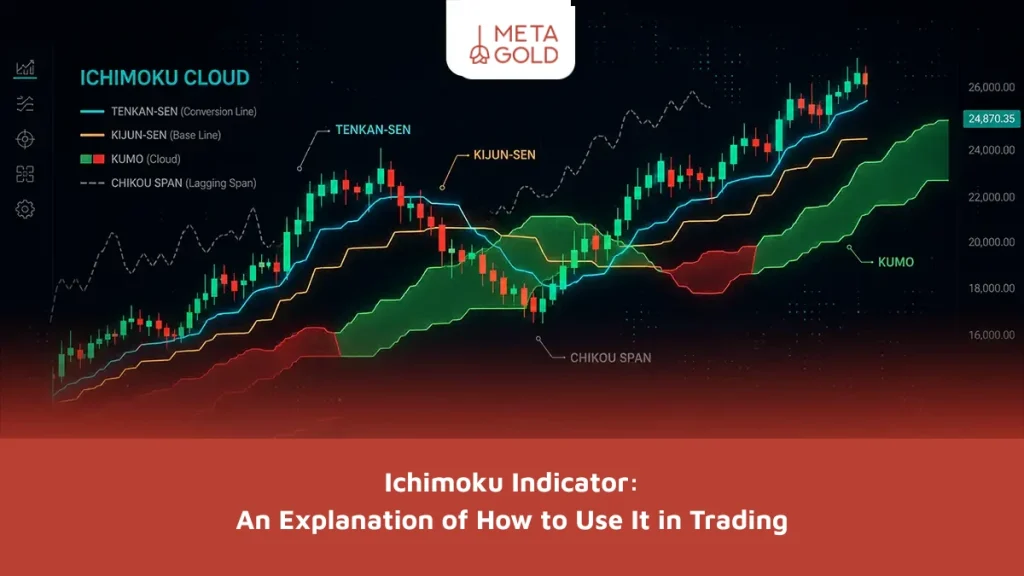
- Moving averages : Specifically the 20, 50, and 200-period MAs on the daily chart. Crossing these lines, or price reaction to them, can confirm the start or end of a swing.
- Trend lines and channels : Used to clearly identify price direction and dynamic support-resistance points.
- Horizontal support and resistance levels : These fixed levels are key locations for breakouts or reversals and indicate potential price targets or entry points.
2. Momentum indicators
These tools measure the strength of the trend and the likelihood of it continuing.
- Relative Strength Index (RSI) : To identify overbought or oversold conditions. A professional swing trader will wait for the RSI to break out of the extreme zones to avoid entering a price correction prematurely.
- MACD : Used to confirm trend change and strength of movement. The intersection of the signal line and the histogram moving above zero can signal the start of an upward swing.
3. Price patterns
We will examine the following price patterns in swing trading:
- Continuation patterns : such as the Flag and Wedge. These patterns indicate that after a temporary pause, the previous trend is resuming and an opportunity has arisen to enter the swing.
- Reversal patterns : Such as the Head & Shoulders or Double Top-Double Bottom pattern. Identifying these patterns on the daily timeframe alerts the swing trader that the current trend is ending.
No tool is 100% accurate. Using multiple tools simultaneously for verification is essential. Most importantly, it is money management that should accompany all of these tools.

What are the strengths and benefits of swing trading?
The answer to the question of what is swing trading is incomplete without mentioning its benefits:
1. Reasonable time requirements and life balance
Reasonable time requirement and life balance are the biggest advantages. It does not require real-time market monitoring and is ideal for working people or those who do not want to be involved in the market all day.
2. Lower commission costs compared to day trading
By reducing the number of trades, the total fees paid are drastically reduced. This means you are left with more net profit.
3. Opportunity for bigger profits on each trade
By targeting a major part of a trend, the profit potential on each trade is far greater than a single day trade. A successful swing can earn a day trader a month’s profit on a single trade.
4. Reduce the impact of noise and momentary emotions
Trading on a higher timeframe will allow you to base your decisions on logic and analysis, rather than an emotional reaction to a 5-minute swing; this will help with performance consistency.
These strengths can only be realized if you follow a regular trading checklist and don’t forget about discipline.
What are the weaknesses and risks of swing trading?
But along with the strengths, it is also necessary to examine swing trading from a risk perspective.
1. Price gap risk
Since your trades remain open overnight and on holidays, there is always the risk of price gaps. The market may open at a large difference from the previous day’s closing price, and your stop loss may be executed at a much worse point than the limit you set. This is an unavoidable risk.
2. The need for patience and tolerance for fluctuations
You need to be able to tolerate swings that move against your position (but haven’t yet broken the overall trend structure). This is difficult for novice traders who are impatient and may lead to early exits from profitable trades.
3. Missing short-term opportunities
Naturally, when you focus on a medium-term trend, you miss out on other short-term market swing opportunities. This is a time cost.
4. Stronger impact of unexpected fundamental news
A major political or economic news event can overturn a weeks-long technical trend in the blink of an eye. Swing traders should always be aware of the economic calendar and plan for such events.
Success in swing trading requires accepting these risks and having a plan to manage them. This style is not a magic bullet.
Is swing trading right for you?
Swing trading is an attractive and balanced trading style that can be a bridge between technical analysis and your personal life. In this article, we saw what swing trading is, how it differs from other styles, what markets it is used in, and what tools it is implemented with.
Its strengths, such as reasonable timing and potentially larger profits, can be attractive to many. But one should never overlook its inherent risks, such as price gaps and news impact. Success in this path is not achieved by finding a magic indicator, but by mastering money management, following a disciplined trading strategy , and controlling one’s psychology.
If after reading this article you feel that this style suits your personality and circumstances, the next step is to learn swing trading in more depth and practice on a demo account. To review the basics of what day trading is or to learn about other styles such as position trading, you can refer to the specialized articles in the MetaGold collection on this subject.
What are Swing Trading FAQs?
1. Is swing trading suitable for beginners?
Compared to day trading, yes. It offers less stress and more time for analysis. But any trading in the financial markets requires education, practice on a demo account, and a full understanding of the risks. First, you need to learn the basics of trading well.
2. What is the average monthly profit of a swing trader?
There is no definitive answer. This number depends on the market, strategy, capital, and skill of the individual. Claiming a specific, guaranteed number is unrealistic and wrong. A realistic goal is to outperform the market index over the long term.
3. What is the minimum capital to start swing trading?
This amount depends entirely on your chosen market and your money management rules. Assuming a risk of 1% of your capital per trade, you should have capital that allows you to trade a reasonable volume while still being able to withstand several consecutive losses.
4. What is the best timeframe for swing trading analysis?
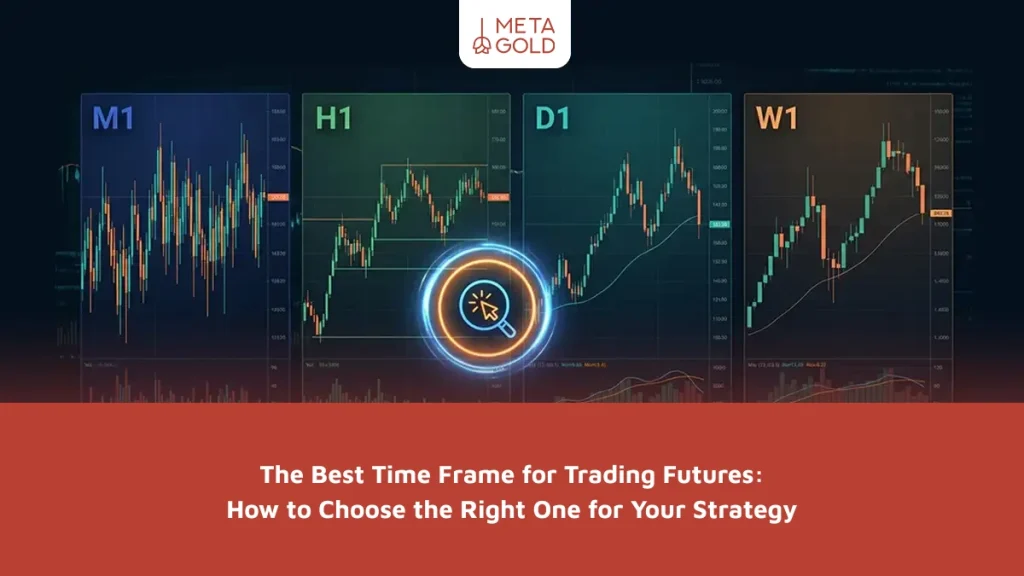
The standard method is to use multiple timeframes: analyzing the overall trend on the daily chart, identifying entry points on the 4-hour chart, and examining the details on the 1-hour chart. This method is called multi-timeframe analysis.
5. Can I do swing trading and day trading at the same time?
It is strictly forbidden for beginners and even inexperienced professionals. The two styles require completely different mindsets, time management, and strategies. Combining them often leads to psychological mistakes and poor performance in both.